
These champions — in addition to a couple “sponsors” — can keep you solid as nourishing requirements change with age.
Regardless of whether you’ve been a solid eater your entire life — or of late tumbled off the wholesome cart — it’s imperative to seriously investigate your eating regimen after age 50. Around that point, specialists say, it pays to be choosier about your food sources, and ensure you’re getting sufficient nourishing value for your money. “Our requirement for energy decreases beginning in middle age,” says Christine Rosenbloom, enlisted dietitian and nutritionist, educator emerita at Georgia State University and coauthor of Food and Fitness Over 50. “There’s less space for drinking a pitcher of margaritas and having a container of chips — except if we need to begin seeing that weight creep. What’s more, no one needs that.”
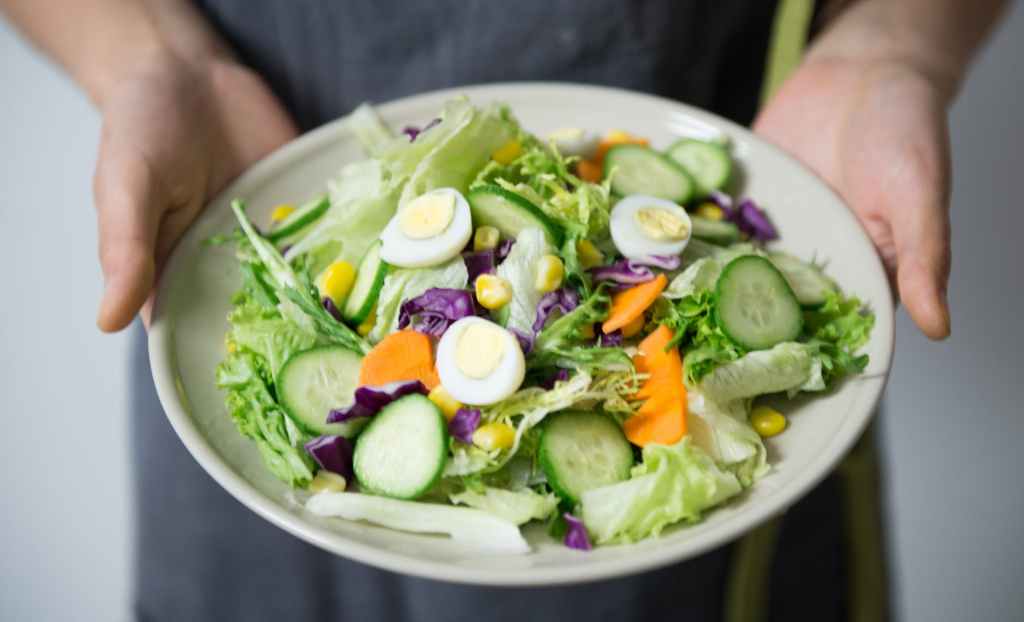
Past adjusting to a possibly more slow digestion, you likewise need to make up for things like a propensity for issues that remains to be worked out, inside capacity to ease back and bulk to decrease (around 1% every year until age 65, after which the misfortune can twofold.) as a rule, more seasoned grown-ups “need to ensure they’re getting bunches of leafy foods, eating lean meats on the off chance that they are eating meat, chicken or fish, and staying away from immersed fats and sugars,” says Marie Bernard, M.D., appointee head of the National Institute on Aging (NIA) and NIA’s senior geriatrician. “A decent eating routine can help improve control, decline the danger of heart issues and add to the counteraction of things like diabetes and disease.”
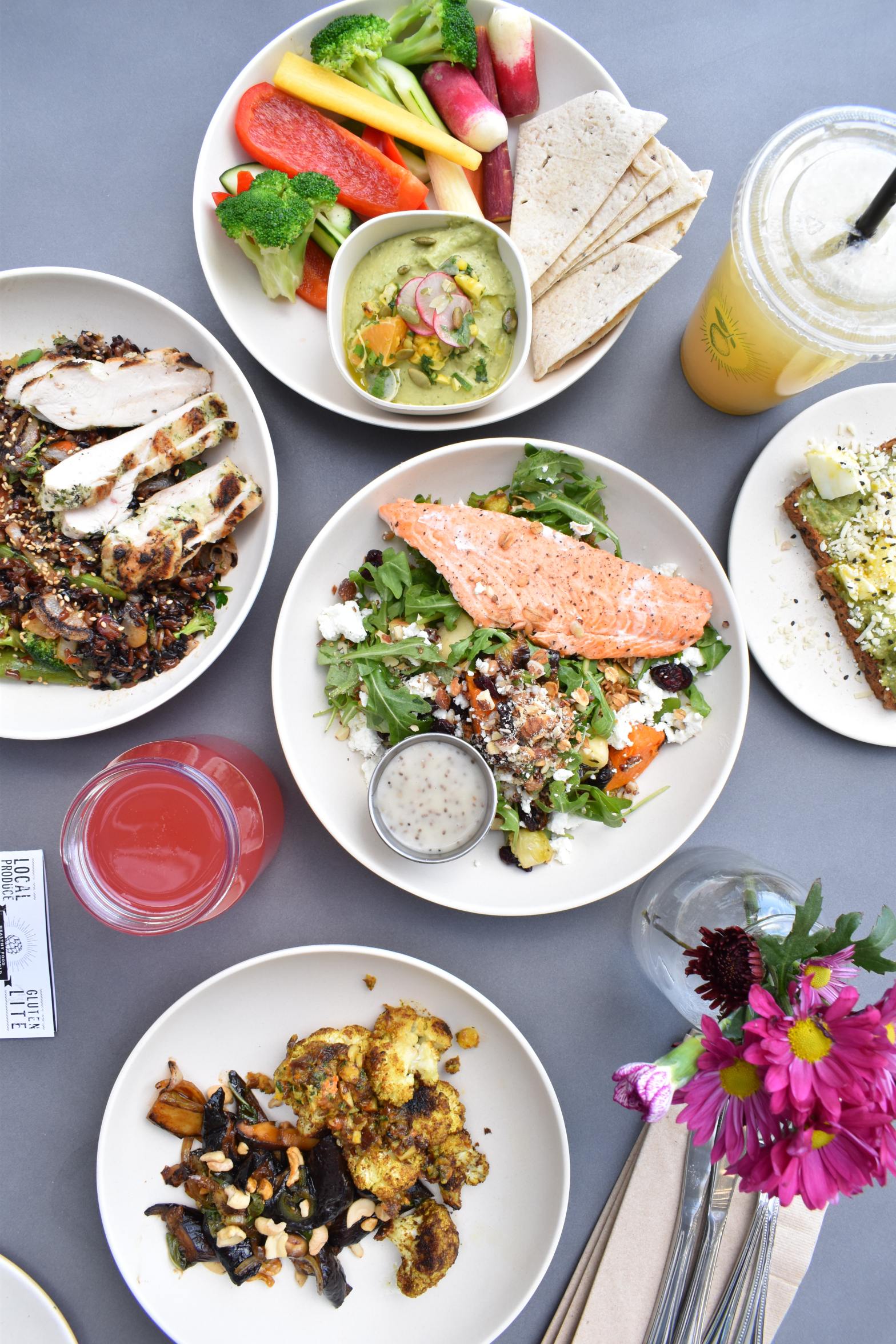
To fabricate your own solid eating routine, recollect that “food sources cooperate in show,” says Joseph Gonzales, an enrolled dietitian at the Mayo Clinic. “You need an entire ensemble for a dynamite melodic piece.” But on the off chance that you add these seven food sources to your own symphony, you’re well en route to a better tune.

1. Berries
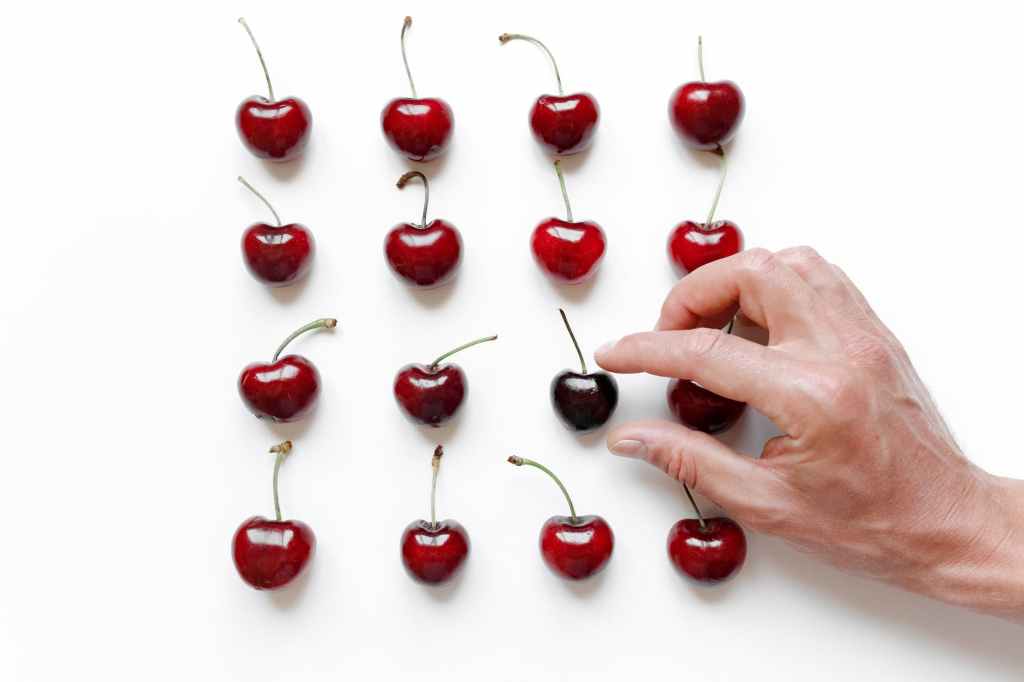
Berries give “one-stop sustenance” for the more than 50 group since they’re high in fiber, nutrient C and calming, cell reinforcement flavonoids. “Fiber helps keep us ordinary, deal with our weight and ensure against sicknesses like diabetes, coronary illness and malignancy,” says enlisted dietitian nutritionist Nancy Farrell Allen, a representative for the Academy of Nutrition and Dietetics. Men 51 or more seasoned ought to eat 30 grams every day, and ladies 50 years or more established ought to eat 21 grams per day.
Berries additionally have all the earmarks of being useful for our maturing cerebrums. “Berries contain strong cancer prevention agents that may improve engine abilities and transient memory,” Allen says. That is the reason they are a vital piece of the MIND diet, which centers around food sources that battle neurodegenerative deferral. (Other “mind good food varieties from this cerebrum sound eating routine incorporate vegetables, beans, entire grains, nuts, fish and poultry.) A Tufts University concentrate from a year ago took a gander at 20 years of eating by 2,800 individuals age 50 or more established and tracked down that the individuals who had a low admission of flavonoid-rich food sources like berries, apples and tea were two to multiple times bound to foster dementia.
Alicia Arbaje, M.D., partner educator of medication at the Johns Hopkins School of Medicine in the Division of Geriatric Medicine and Gerontology, singles out the wild blueberry (generally sold in the frozen food area). “They have three or multiple times the cancer prevention agents of ordinary blueberries. Add them to your cereal or smoothies.”
2. Dim Green Verdant Vegetables

“As we get more seasoned, our bones become gentler and need calcium,” says Bernard of the NIA. “That is something you can get from low-fat dairy and dim green verdant vegetables.” We’re talking kale, arugula, broccoli and spinach, which are likewise high in fiber, seem to help muscle work and are heart-sound. An Australian examination distributed in March in the Journal of Nutrition found that individuals who ate only one cup of nitrate-rich verdant green vegetables consistently had 11% more grounded lower appendages. Another new investigation from Denmark took a gander at 50,000 individuals over a 23-year time frame and tracked down that the individuals who ate these veggies had a 12 to 26 percent lower hazard of coronary illness.
3. Fish
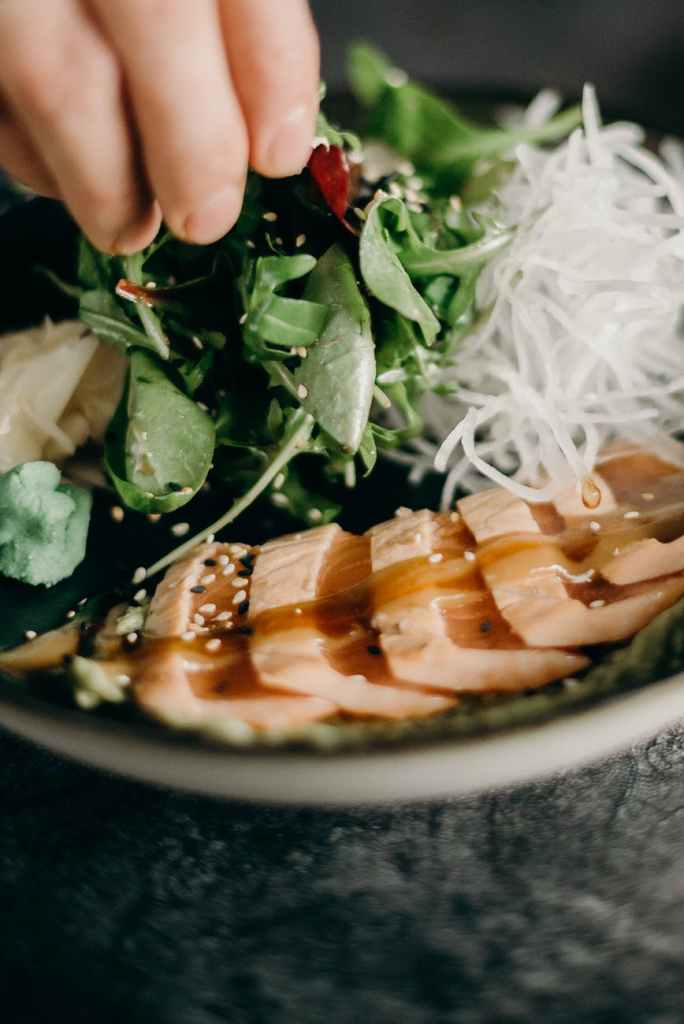
Fish like salmon, cod, fish and trout are a fit wellspring of protein, which more established individuals need to keep up or recapture muscle. Bernard prescribes going for five to six ounces of protein every day, regardless of whether it’s fish, poultry, nuts, seeds, soy items or lean meat. “We have studies to propose that more established grown-ups should be more delicate to protein admission in light of the fact that their bodies are not as effective at utilizing protein as moderately aged people.”
Fish is additionally a decent wellspring of nutrient B12, a supplement discovered uniquely in creature food sources that we make some harder memories retaining as we age. “Fish likewise has omega-3 unsaturated fats,” Rosenbloom says. “A few servings seven days lessen the danger of death for mass persistent infections by around 17%.”
4. Nuts and Seeds

All nuts are not made equivalent, yet all are useful for you, Rosenbloom says. “They have protein and fiber, and they can cause you to feel full.” Just don’t be voracious: “Eat only a modest bunch as an evening nibble,” she says, “and you will not be starving at dinnertime.” The day by day proposal of one ounce approaches 24 almonds, 18 cashews, 35 peanuts and 15 walnut parts.
Nuts and seeds are likewise significant wellsprings of solid fats. “Pecans, flax supper and chia seeds all contain ALA omega-3 fats, which are changed over to EPA and DHA omega-3 unsaturated fats,” says Allen, who takes note of that ordinary admission of omega-3 fats will help secure your cerebrum, specifically.
5. Curd
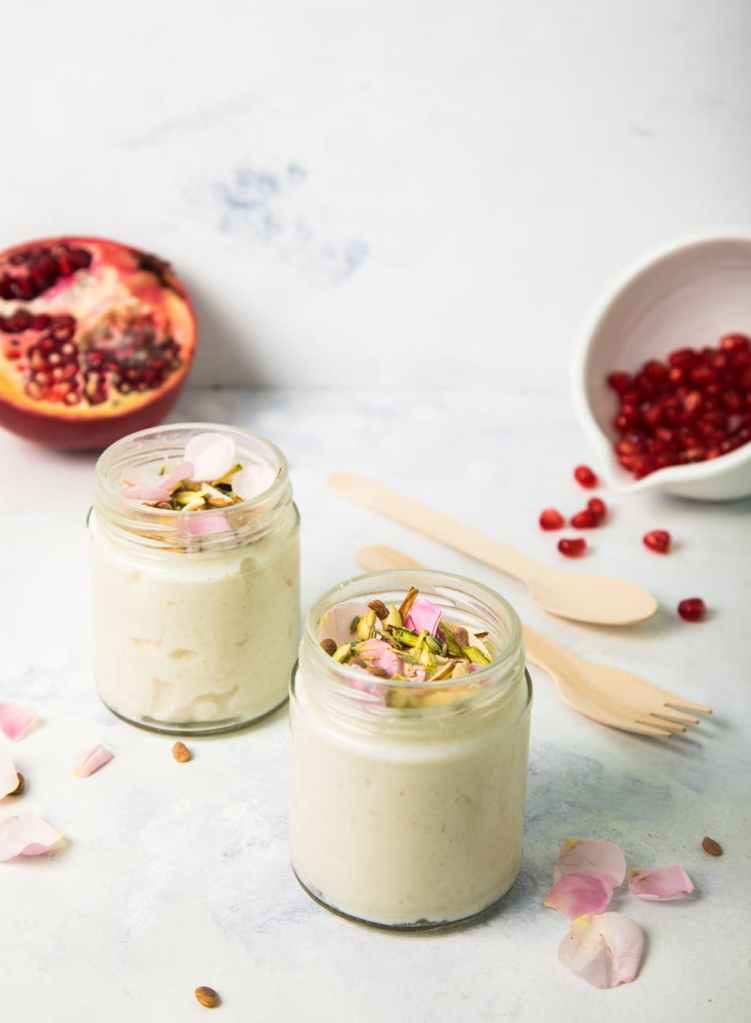
It very well may be an ideal opportunity to give these little high-calcium curds a lasting put on the week by week menu. “Curds is an extraordinary wellspring of whey protein, which animates muscle protein amalgamation,” says Rosenbloom. “Competitors know this — after an exercise, they frequently have a shake dependent on whey protein. However, rather than doing that, eat curds.”
It is additionally high in calcium and nutrient D. “Our bones resemble a bank, and after age 35, we begin to lose bone thickness,” Allen says, “so adding calcium and nutrient D to our eating regimen is fundamental for upkeep.” (What else helps bone wellbeing? Phosphorous, found in nuts, vegetables, cereals and grains, and magnesium, in nuts, seeds, vegetables and dim green vegetables.)
6. Beans and Vegetables
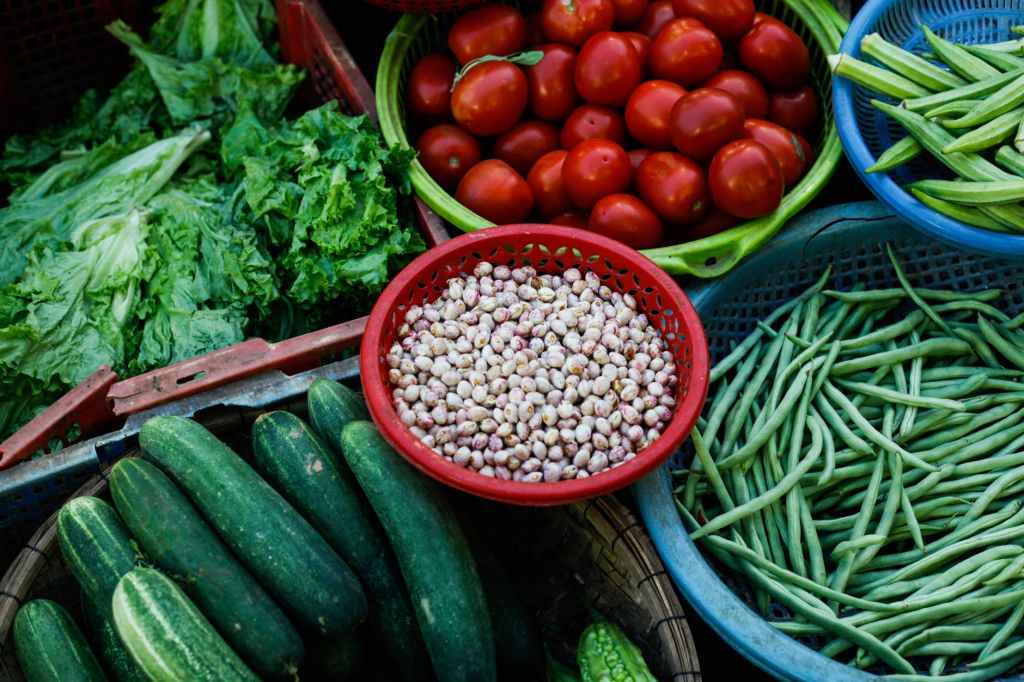
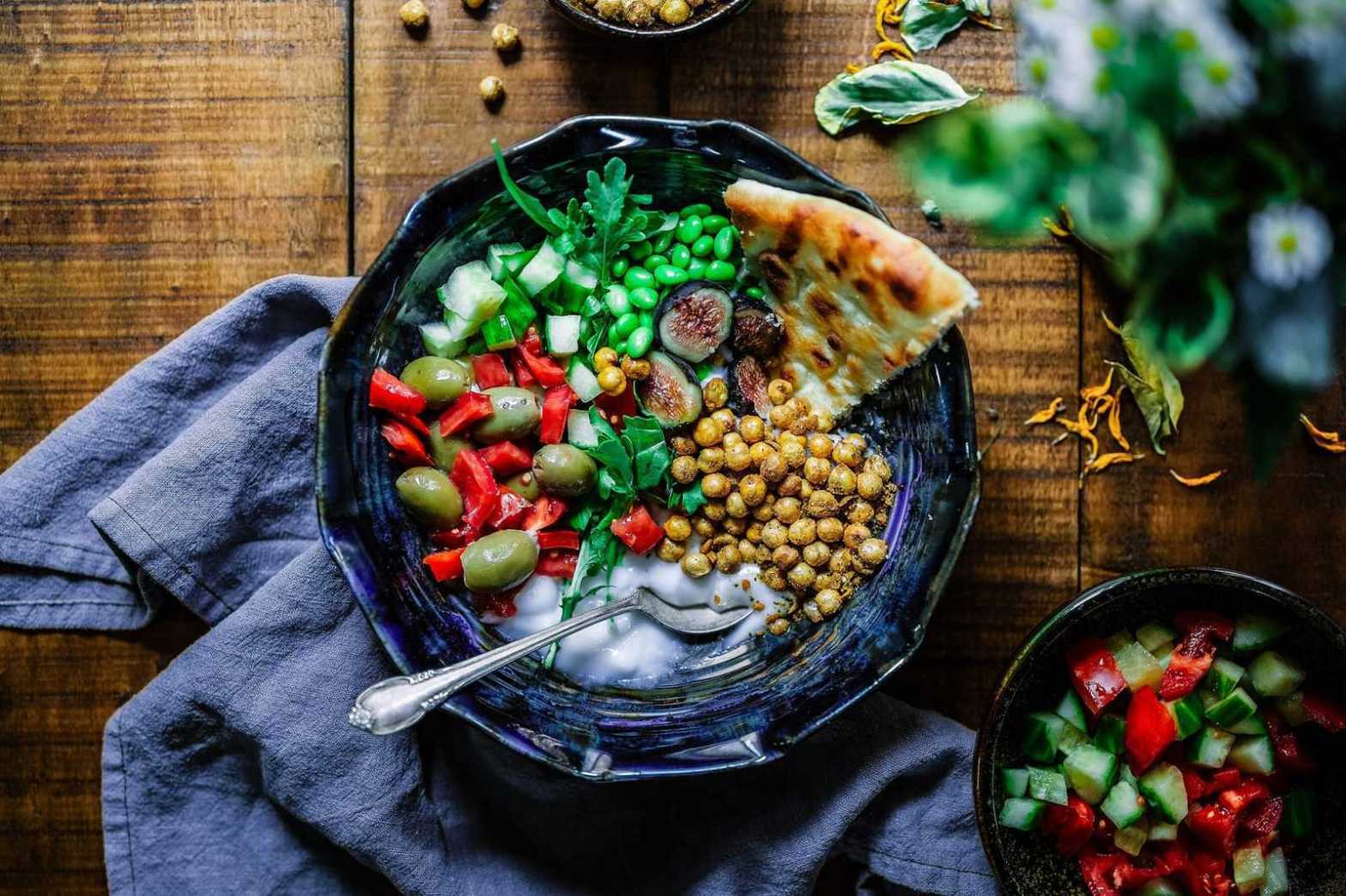
Why super? “Beans help diminish cholesterol,” says Gonzales. “They’re stacked with fiber and protein and they’re low-calorie.” They’re additionally wealthy in iron, potassium and magnesium. Search for dry beans or low-sodium canned forms. On the off chance that you can’t discover either, says Rosenbloom, “channel and flush a jar of normal beans, and you can diminish the sodium by 41%.” (And remember garbanzos: Gonzales suggests hummus as a sound tidbit.)
7. Water

Water — that is not so much as a food! Valid, yet you need to focus harder on hydration as you age. “‘As we get more established, we don’t have as great a thirst instrument,” says Rosenbloom, who suggests watching out for your water admission particularly when it’s hot and sticky and you’re perspiring — say, while outside planting. Bernard brings up that taking in additional water can help neutralize the impacts of inside work declining with age. What’s more, recall that regularly we believe we’re ravenous when we’re really parched.
Add a scramble of one of these for somewhat more healthful kick
Spices and Flavors
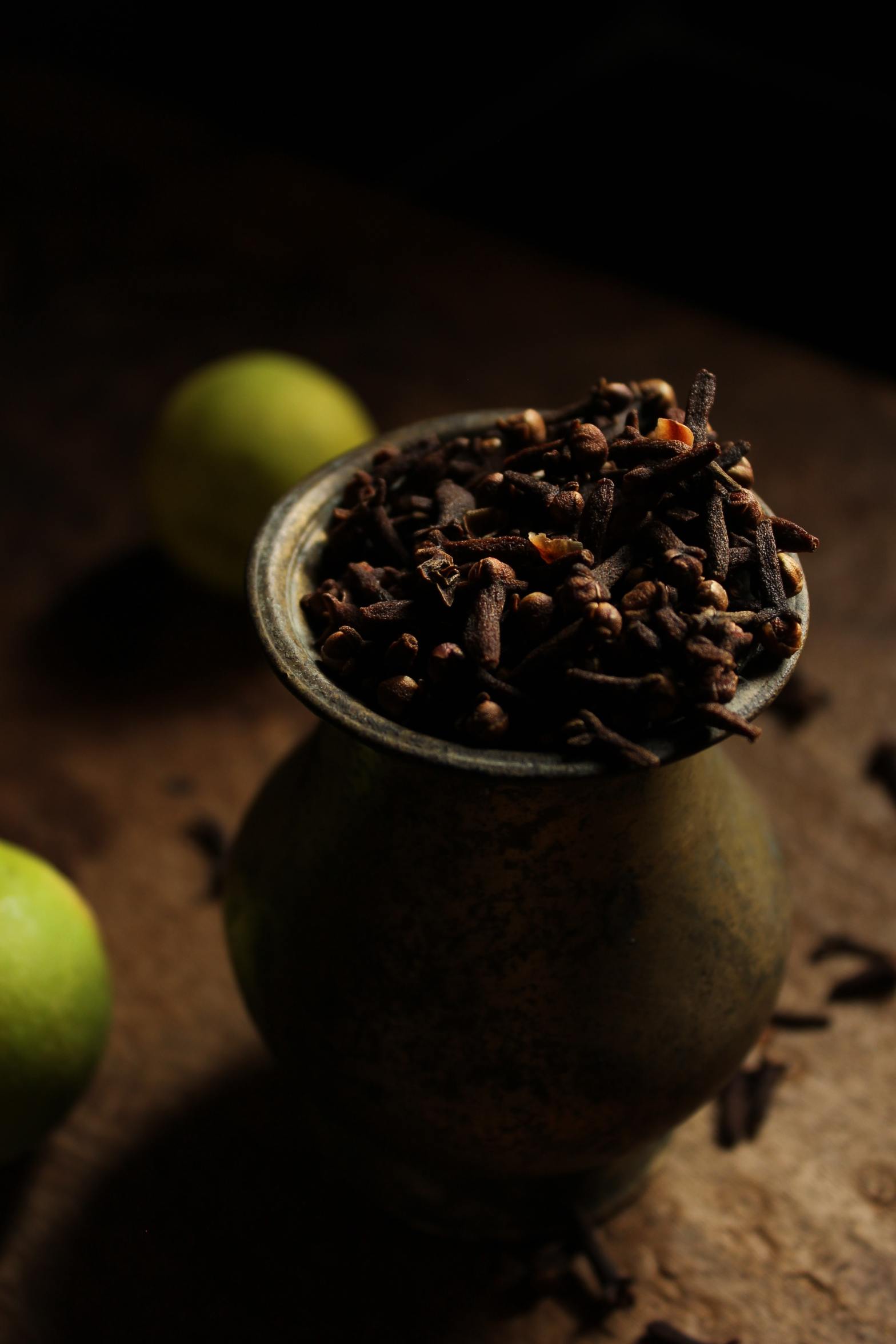
As we age, changes in our taste buds can make them arrive at additional for the salt shaker. Stand up to! All things being equal, go to spices and flavors for flavor. “Ounce per ounce, the biggest measure of cell reinforcements are contained in spices and flavors,” says Gonzales, who takes note of that things like turmeric, ginger, garlic, cinnamon, oregano and parsley truly have dietary benefit.
Ocean Growth
“Ocean growth detoxify a portion of the pesticides, synthetic substances, hefty metals and microorganisms we’ve been presented to during our lives,” says Arbaje. One ocean growth she suggests, called dulse, is sold on Amazon and in the Asian segment of numerous supermarkets. Sprinkle the pieces on your food, or add the powder structure to smoothies.
Lemon or Lime
“One simple approach to get calcium in your eating regimen is to crush a large portion of a lemon, lime or orange into your water,” says Arbaje. “You’ll likewise get electrolytes, sodium, potassium, calcium and magnesium, all minerals that your body needs.”
B12, calcium and nutrient D
Specialists concur on a “food-first methodology,” so you by and large need to attempt to get your supplements from entire food varieties before you go to supplements. “I generally say nature knows best,” says Gonzales. But since a significant number of those more than 50 miss the mark on B12 specifically, the National Institutes of Health suggests that anybody over that age take a B12 supplement.
The Tufts Food Pyramid for Older Adults additionally proposes getting some information about adding calcium and nutrient D. Rosenbloom prompts taking an every day multivitamin that is formed for somebody more than 50 and is “USP-checked,” tried by the not-for-profit United States Pharmacopeia.


















 Your Body Is A Temple